
Resume Building, Written Ability Test, Group Discussions/Exercises and Personal Interviews (CV-GD-PI-WAT)
Resume/CV Building
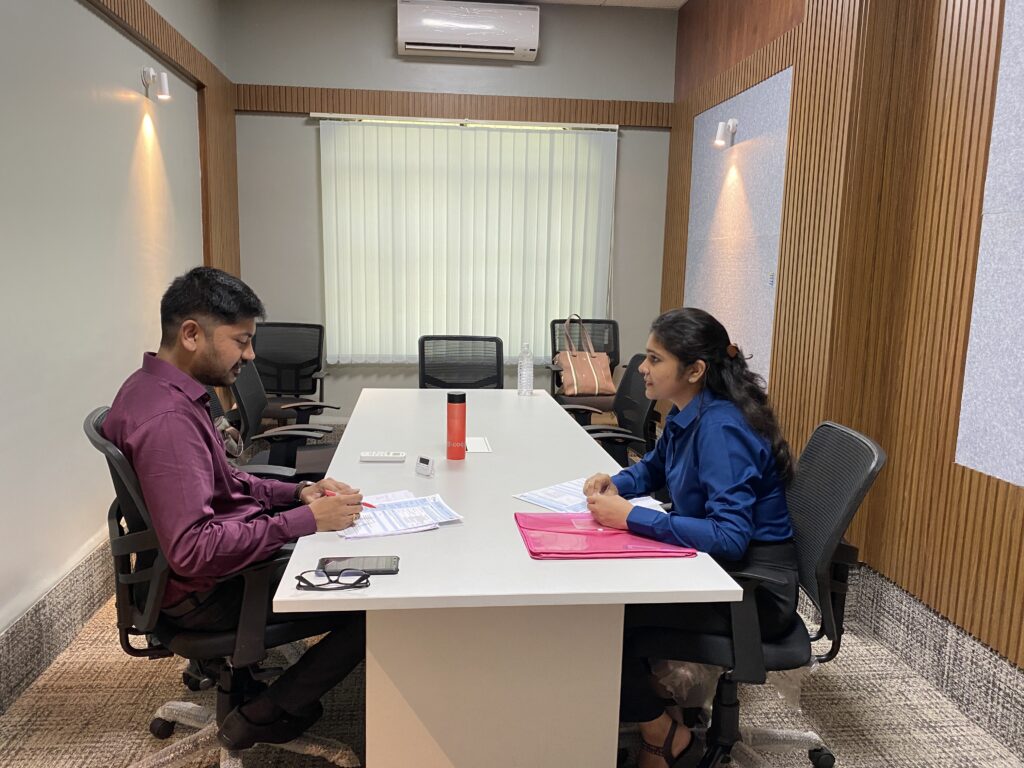
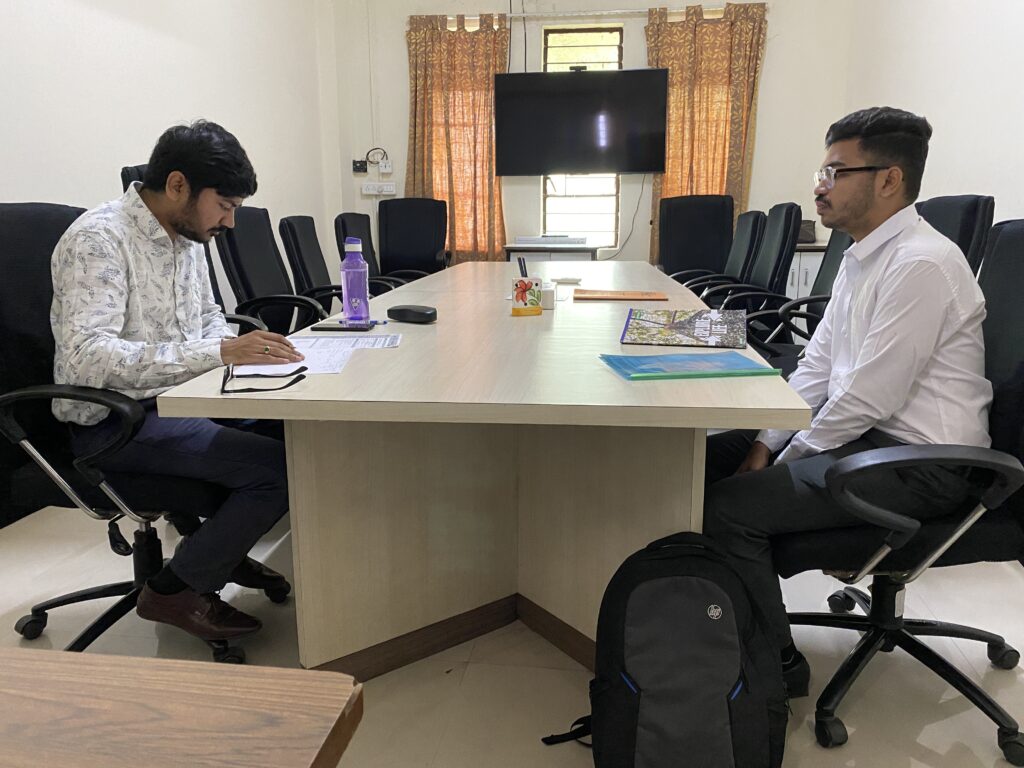
Resume/CV Building helps students create a clear, professional and recruiter-friendly resume for placements, internships and job interviews. A good resume presents the student’s profile in a structured and impressive manner.
A strong resume usually includes:
-
Personal details
-
Career objective or summary
-
Educational background
-
Projects
-
Internships
-
Technical skills
-
Soft skills
-
Certifications
-
Achievements
-
Extracurricular activities
At KATEC, students are guided on how to write strong resume points and select the right resume format. Additionally, they learn how to highlight their strengths, skills and achievements effectively.
Students are also trained to customize their resume based on the role they are applying for. This helps them make the resume more relevant for recruiters.
Resume building helps students improve their chances of getting shortlisted. It also prepares them to answer resume-based questions confidently during personal interviews.
Written Ability Tests
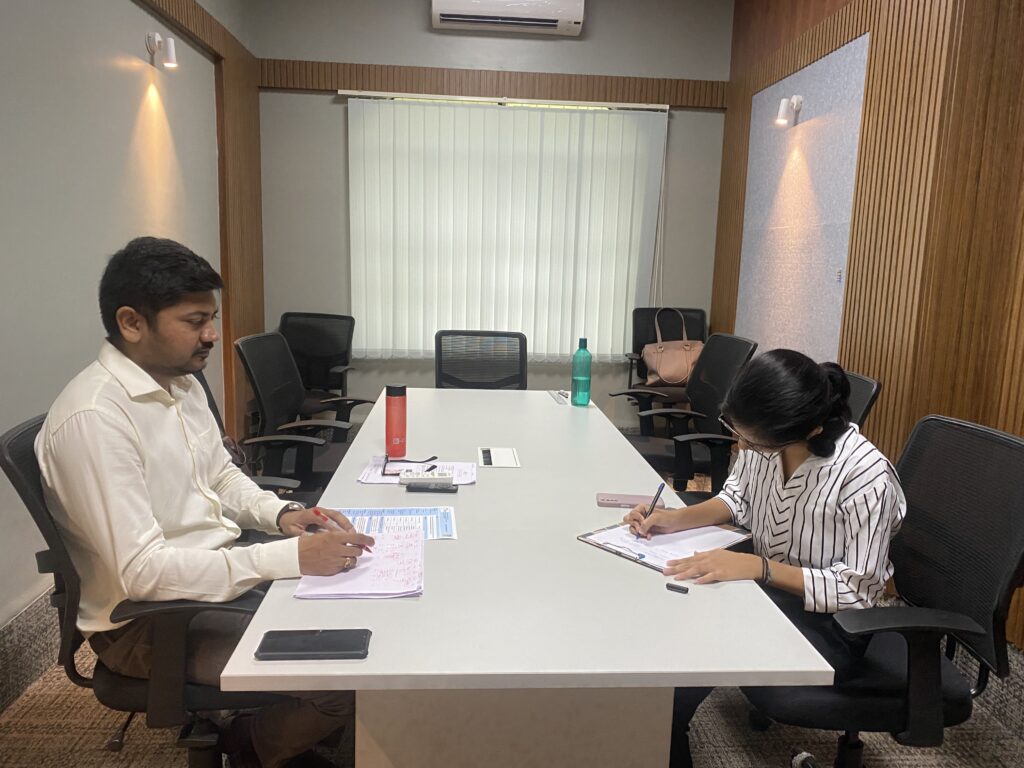
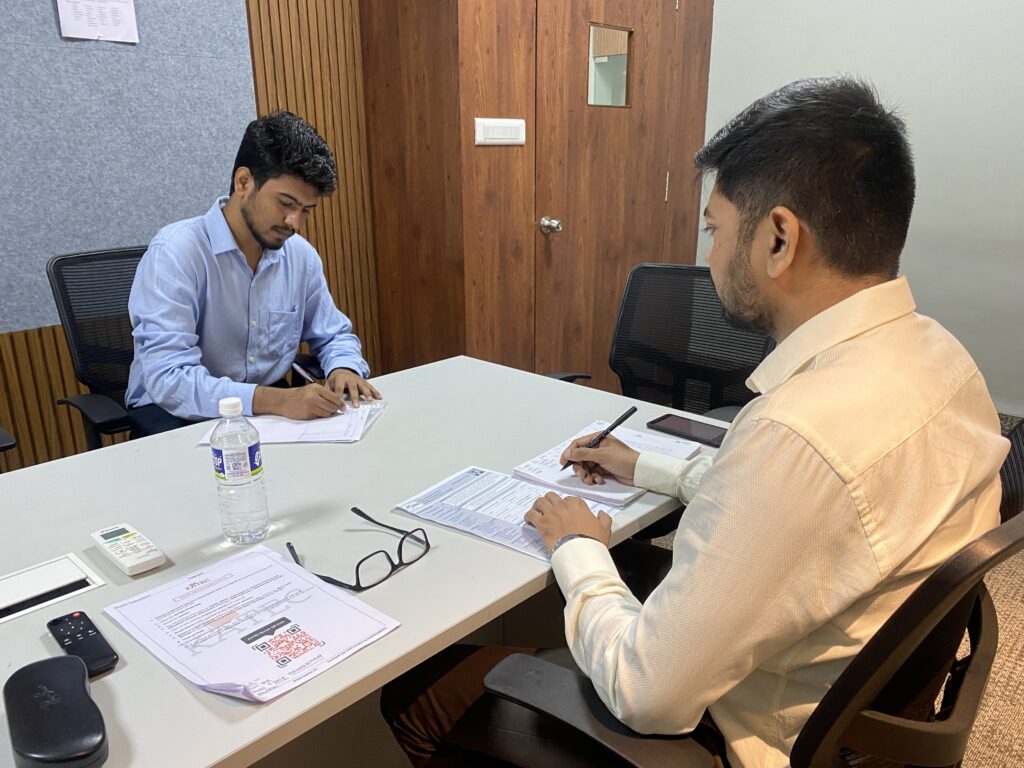
A Written Ability Test (WAT) is used to check a student’s ability to think clearly and write in a structured manner. It is commonly used in MBA admissions, BBA admissions, placement processes and interview-based selection rounds.
In a WAT, students are usually given a:
Topic
Statement
Case
Situation
Prompt
They have to write a short response within a fixed time limit.
The answer is usually evaluated on:
Content quality
Grammar
Vocabulary
Logical flow
Clarity of thought
Overall presentation
At KATEC, students are trained to write well-structured answers with:
Clear introduction
Relevant main points
Balanced arguments
Proper conclusion
Additionally, students learn how to avoid repetition, write within the time limit and present their ideas clearly.
WAT preparation helps students improve their written communication, critical thinking and answer structuring skills. This is useful for campus placements, MBA interviews, BBA admission rounds and other selection processes.
Group Discussions
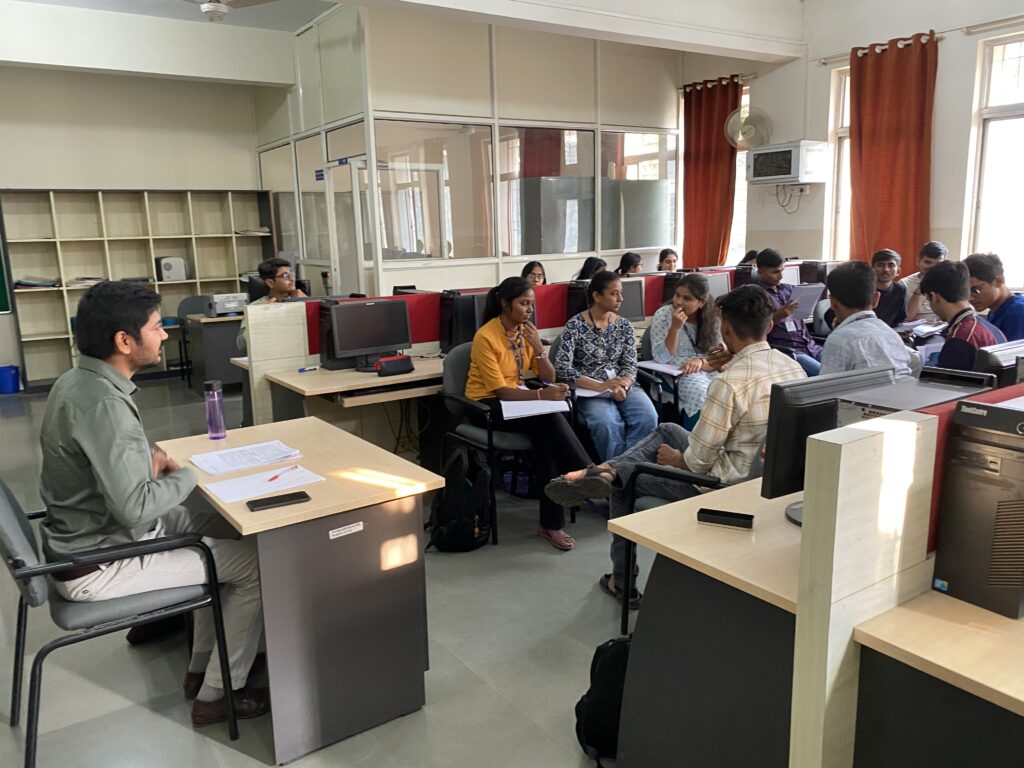
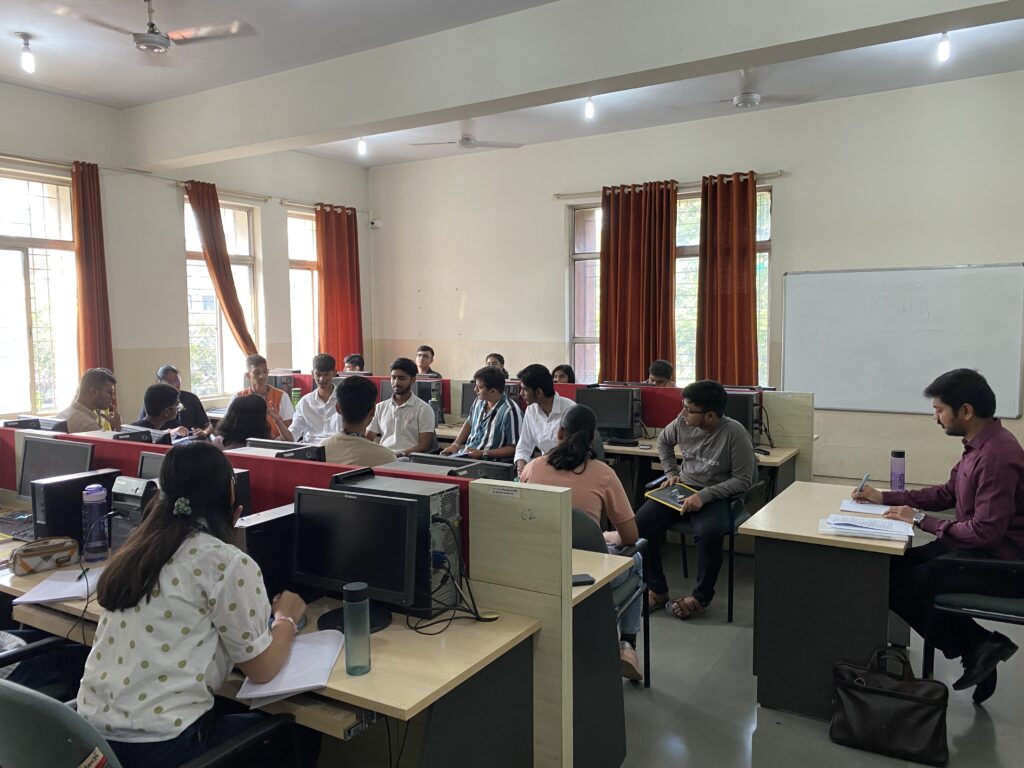
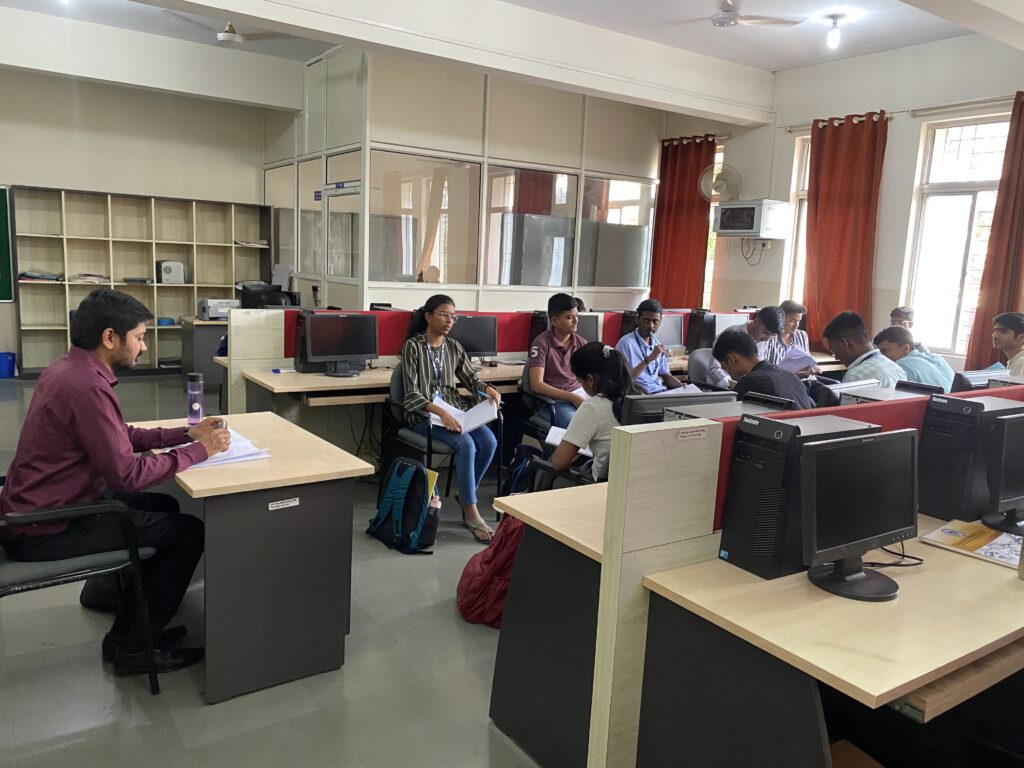
Group Discussion (GD) is a selection round where a small group of candidates discuss a given topic, issue, case or situation. It is commonly used in campus placements, MBA admissions, BBA admissions and interview-based selection processes.
In a group discussion, students may be given a:
Current affairs topic
Business-related topic
Social issue
Abstract topic
Case study
Problem-solving situation
Participants are expected to share their views, listen to others and contribute meaningfully to the discussion. The discussion may be observed by a panel to evaluate the overall performance of each candidate.
A group discussion usually checks:
Communication skills
Clarity of thought
Listening ability
Confidence
Teamwork
Leadership skills
Logical thinking
Problem-solving ability
Time management
Body language
At KATEC, students are trained on how to initiate a discussion, add relevant points, support arguments with examples and conclude effectively. Additionally, students learn how to handle interruptions, disagree politely and stay confident during the discussion.
KATEC also conducts mock group discussions with feedback. This helps students understand their strengths, improve their weak areas and perform better in actual selection rounds.
Group discussion training helps students become more confident, professional and placement-ready. It is useful for campus recruitment, MBA interviews, BBA admission rounds and career selection processes.
Group Exercises
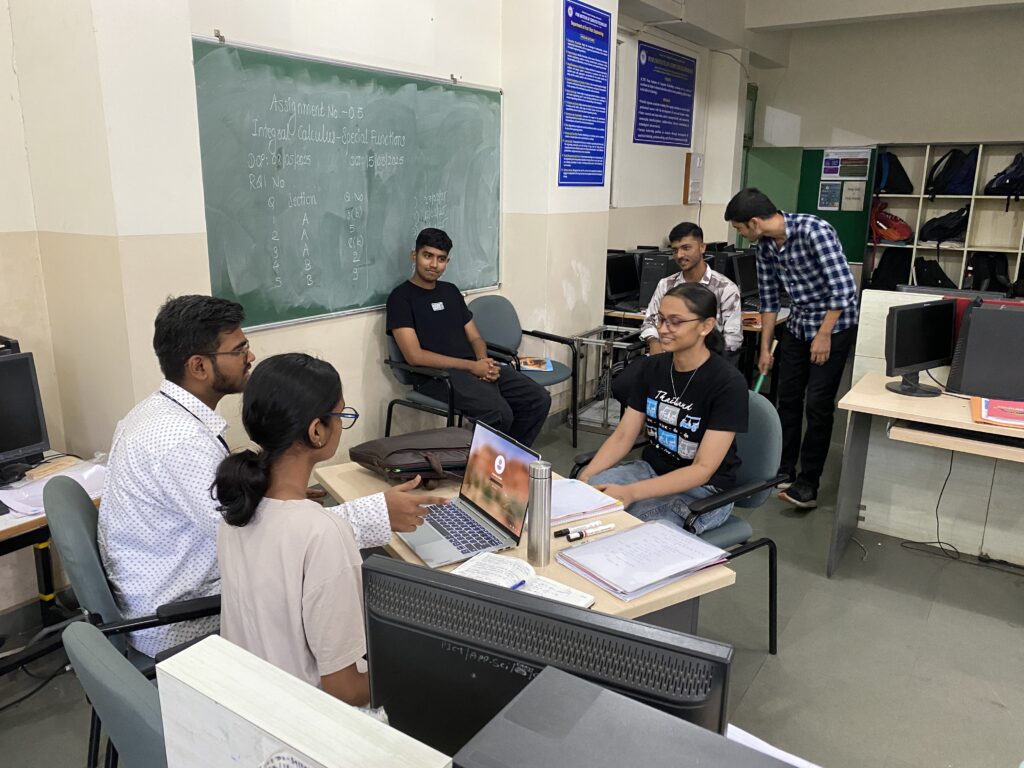
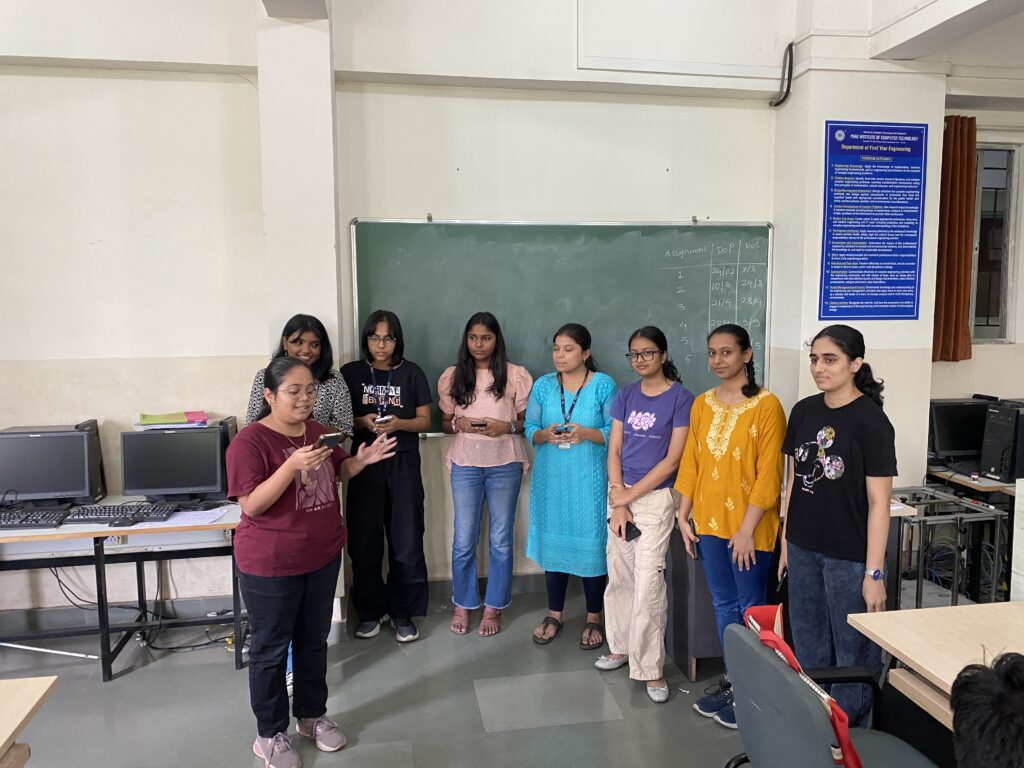
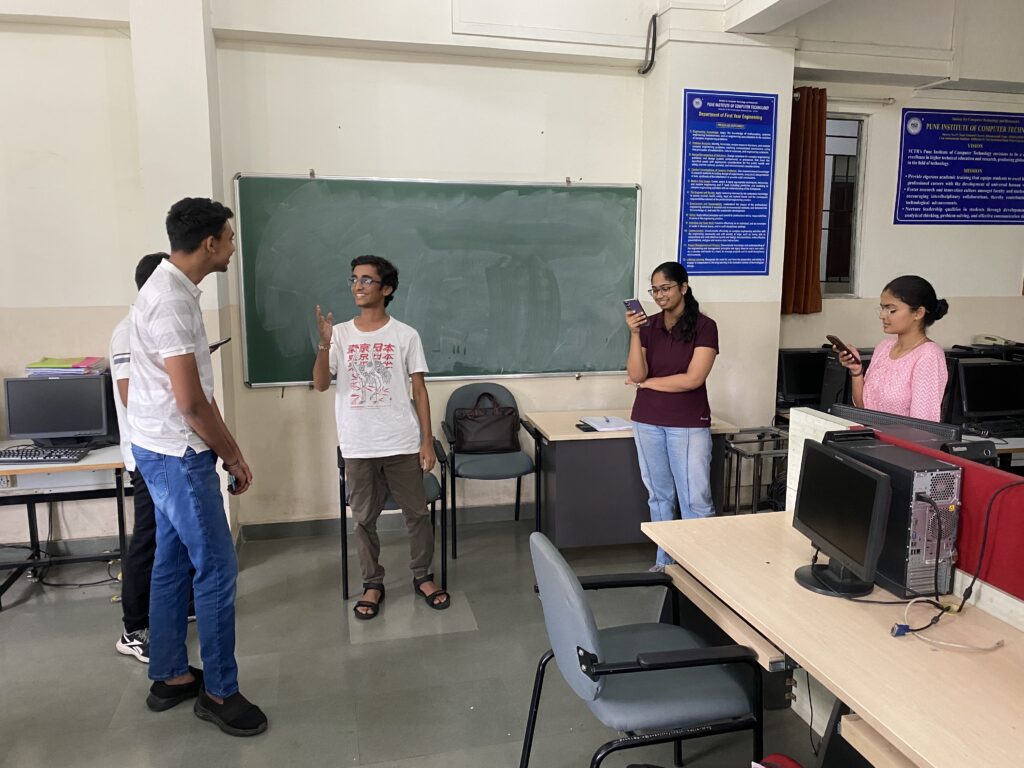
Group Exercise (GE) is a selection round where candidates work together to solve a problem, complete a task or achieve a common objective. It is commonly used in MBA admissions, BBA admissions, campus placements, assessment centres and team-based selection processes.
In a group exercise, students may be given a:
Case study
Business problem
Team task
Role-play situation
Debate topic
Creative project
Problem-solving activity
Decision-making scenario
Participants are expected to work as a team, share ideas, listen to others and contribute constructively. The panel observes how each candidate behaves in a group situation.
A group exercise usually checks:
Teamwork
Communication skills
Leadership ability
Problem-solving skills
Decision-making
Time management
Creativity
Adaptability
Listening skills
Overall contribution to the group
At KATEC, students are trained on how to participate effectively in group exercises. They learn how to contribute ideas, coordinate with team members, handle disagreements and stay focused on the task.
KATEC also conducts mock group exercises with feedback. This helps students understand how to perform better in team-based selection rounds.
Group exercise training helps students improve their teamwork, confidence, communication and leadership skills. This is useful for campus recruitment, MBA interviews, BBA admission rounds and other career selection processes.
Personal Interviews
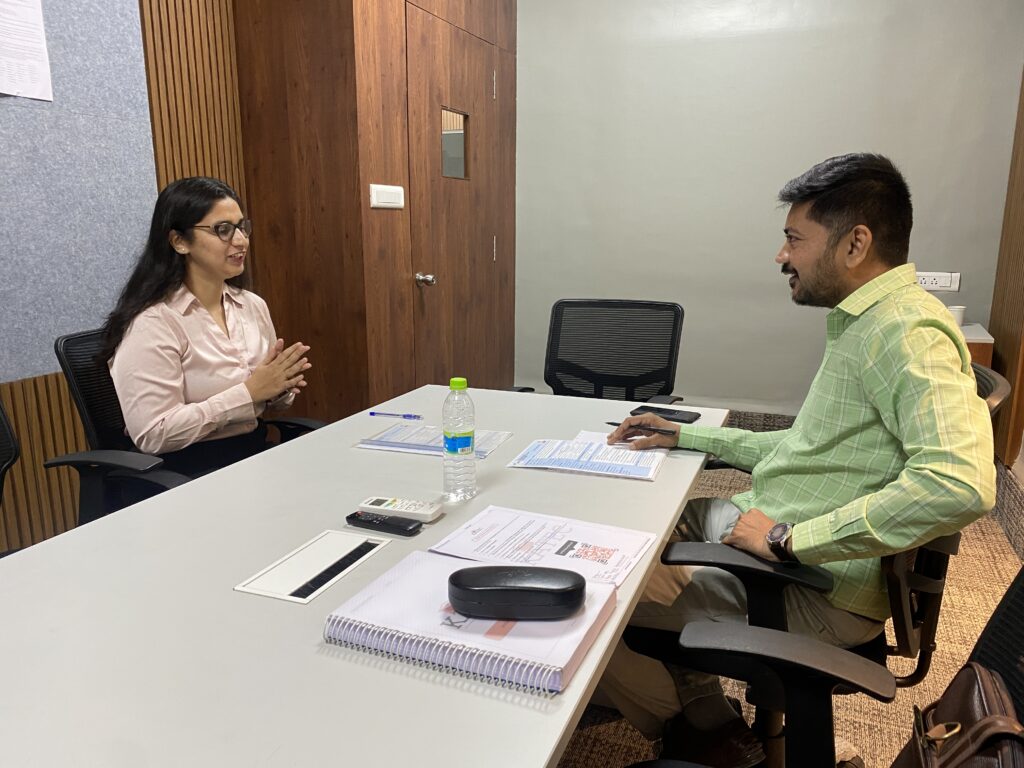
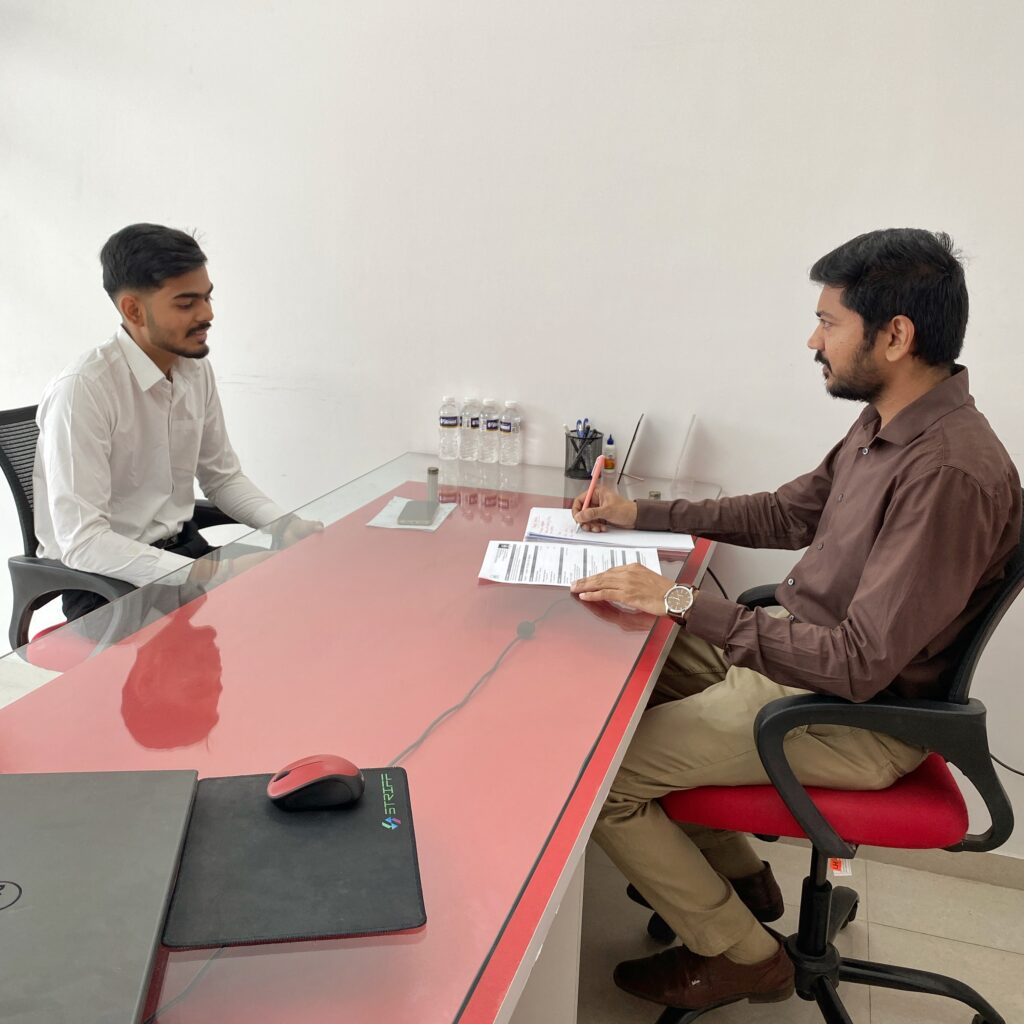
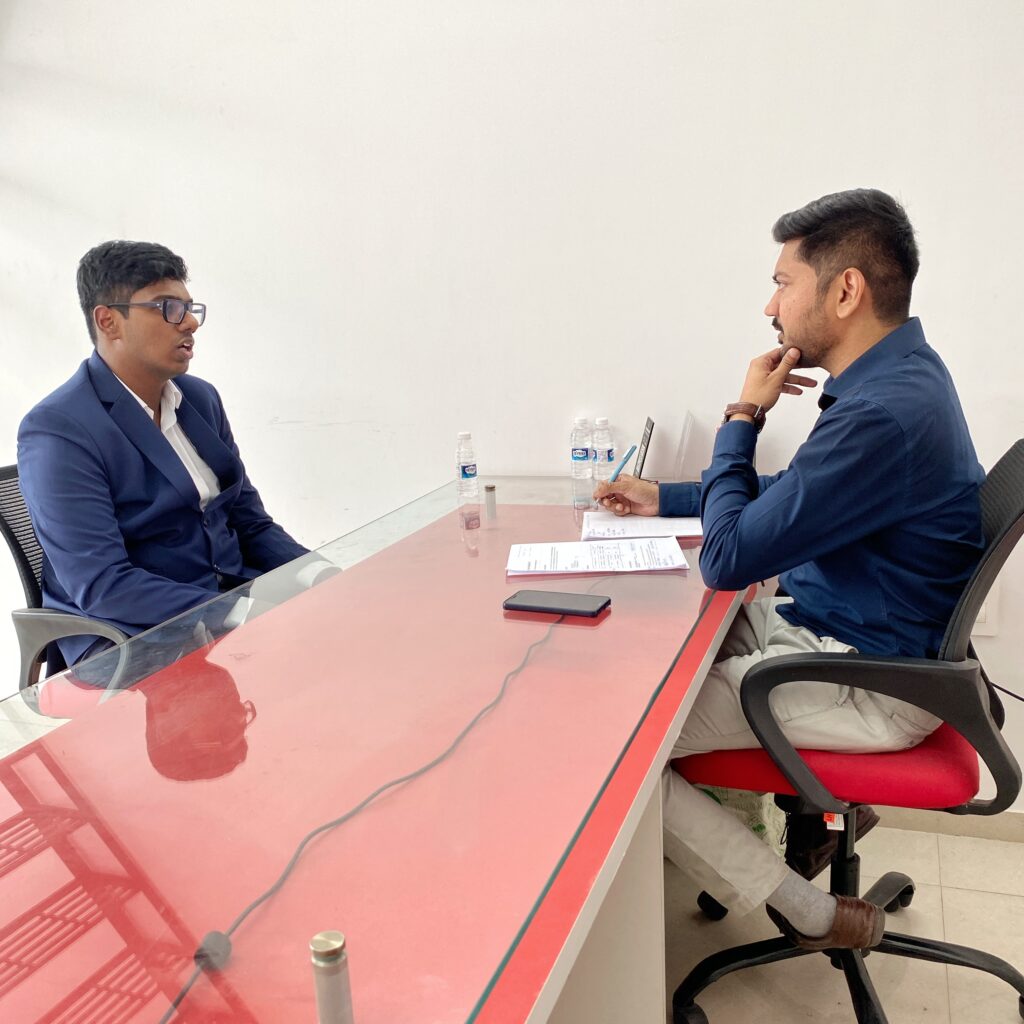
Personal Interview (PI) is a one-on-one interaction between the candidate and the interviewer or interview panel. It is commonly used in campus placements, MBA admissions, BBA admissions and interview-based selection processes.
In a personal interview, students may be asked questions related to:
Self-introduction
Resume or CV
Academic background
Projects and internships
Strengths and weaknesses
Career goals
Subject knowledge
HR questions
Current affairs
Reason for choosing a course, college or company
A personal interview usually checks:
Communication skills
Confidence
Clarity of thought
Body language
Subject knowledge
Resume awareness
General awareness
Personality
Career clarity
Suitability for the role or program
At KATEC, students are trained on how to answer interview questions in a clear and structured manner. They learn how to frame their self-introduction, explain resume points, answer HR questions and handle follow-up questions confidently.
KATEC also conducts mock personal interviews with detailed feedback. During the mock interviews, students are evaluated on:
Answer framing
Communication skills
Confidence
Body language
Resume-based answers
HR answers
Current affairs awareness
Overall interview performance
After the mock interview, students receive feedback and areas of improvement. This helps them understand their mistakes, improve their presentation and become more confident for actual interviews.
Personal interview training is useful for campus placements, MBA interviews, BBA admission rounds and career selection processes. It helps students become more polished, professional and interview-ready.